
Festo process valves
Festo process valves help turn water, air, gas, cleaning media, dosing, and utility lines into machine-controlled points. The right choice starts with the media path, then adds the actuator, pilot valve, sensing, fittings, and support around it.
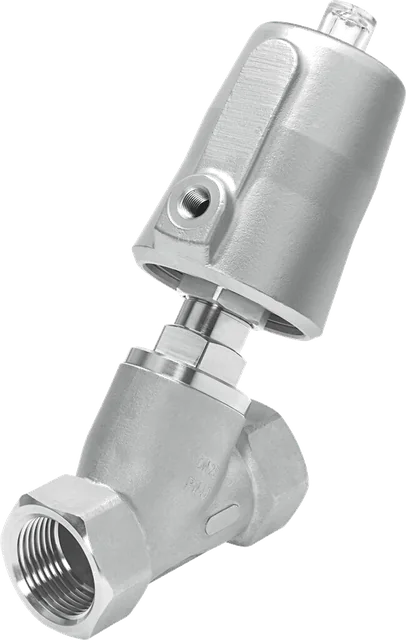
line size, pressure, temperature, material compatibility, valve function, and required
fail position first. Then decide whether the package needs pneumatic actuation,
electric solenoid control, position feedback, a pilot valve, or a pre-assembled unit
that Coast Pneumatics can help specify as one practical assembly.
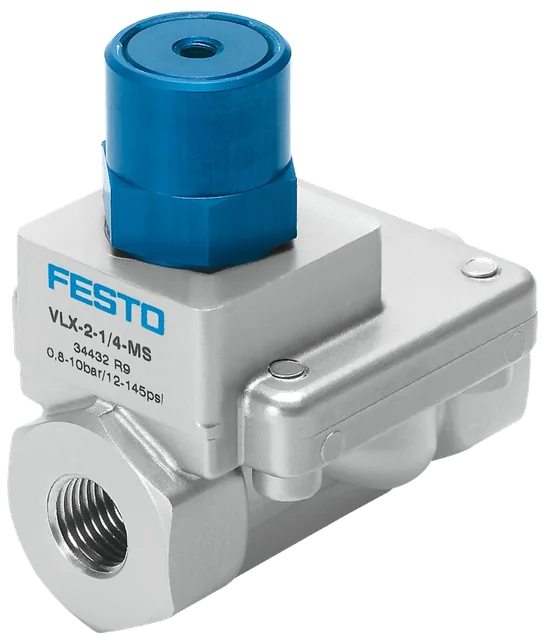
Start with the media, not the actuator
A process valve is part of the media path. That makes selection different from picking a
general pneumatic directional valve. Before choosing the actuator style or electrical
interface, define what is flowing through the line and what the valve must do during
production, cleaning, fault recovery, and maintenance.
Coast Pneumatics built its Festo process valve landing page around this idea: the valve
body and actuator need to match the media, pressure, temperature, cleaning practice, and
fail state required by the process. That keeps the conversation grounded in the actual
line conditions instead of just a part number.
Core selection questions
- Media: Is the line carrying water, compressed air, gas, cleaning fluid, chemical media, lubricant, slurry, powder, or a small liquid volume?
- Function: Does the valve need simple on/off isolation, frequent cycling, dosing, dispensing, flow diversion, or controlled shutoff?
- Line conditions: What are the pipe size, connection type, operating pressure, temperature, and expected flow demand?
- Materials: Does the body or seal material need stainless steel, brass, EPDM, NBR, or another compatibility requirement?
- Automation: Should the valve be pneumatically actuated, electrically switched, monitored with position feedback, or supplied as a valve-actuator package?
- Fail position: Should the valve fail closed, fail open, or use double-acting actuation when air or power is removed?
Signal the actuatorThe machine controller energizes the pilot valve or actuator control circuit.
Move the valveThe actuator turns, lifts, or pinches the valve mechanism into position.
Control the mediaThe system starts, stops, cleans, doses, cools, or isolates the process line.
Which Festo process valve family fits the job?
The best valve family depends on how the media behaves and what the equipment needs
from the valve. Festo lists process valve families such as ball valves, angle seat
valves, pinch valves, solenoid media valves, butterfly valves, pneumatically actuated
media valves, and dispense or pipette heads. The table below translates those families
into practical selection language.
| Valve family | Best fit | Typical applications |
|---|---|---|
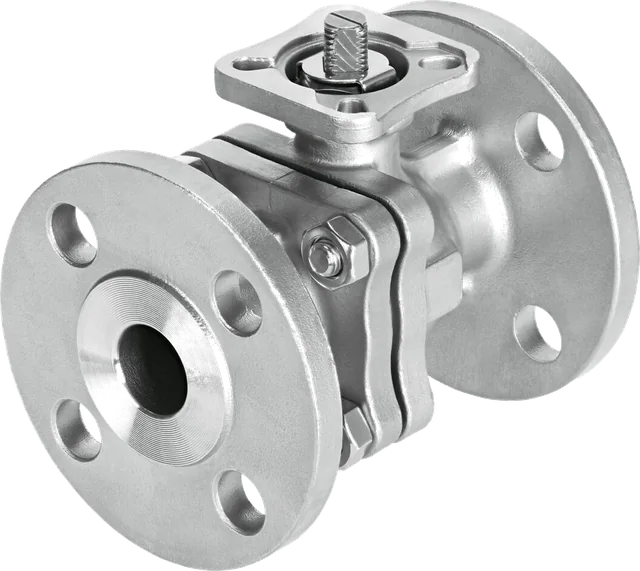
| Ball valves | Robust open/close control where high flow and clear shutoff matter. | Cooling water, cleaning and wash lines, utility air or gas shutoff, skid systems. |
| Angle seat valves | Fast automated switching with strong flow performance and frequent cycling. | Steam and hot water lines, filling and draining, compressed air, washing equipment. |
| Pinch valves | Media isolation when the material should only contact the sleeve. | Powders, slurries, granulates, abrasive media, sensitive product streams. |
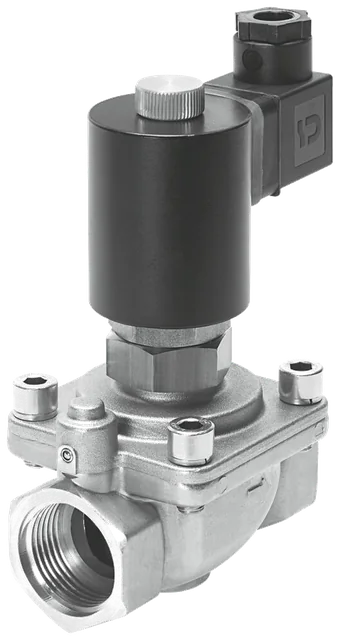
| Solenoid media valves | Compact electric switching for liquid and gaseous media. | Dosing, filling, gas supply, cooling circuits, utility panels. |
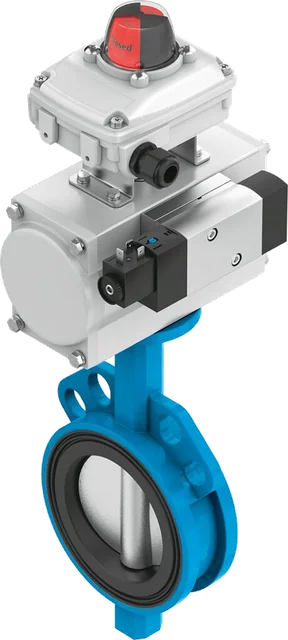
| Butterfly valves | Compact quarter-turn control for larger pipe sizes. | Water lines, cleaning systems, process skids, larger utility shutoff points. |
| Pneumatically actuated media valves | Simple, durable media switching where compressed air is already available. | Neutral liquids, compressed air manifolds, machine coolant, utility switching. |
| Dispense and pipette heads | Precise pressure and vacuum control for small-volume liquid handling. | Diagnostics equipment, lab automation, pipetting, aspiration, small-volume dispensing. |
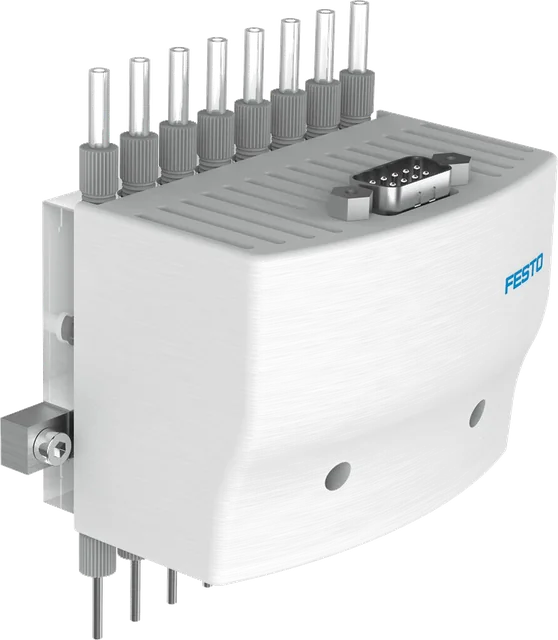
where repeatable small-volume liquid handling matters more than pipe-size isolation.
Match the assembly to the application
A valve that works well on a cooling water circuit may be wrong for a cleaning chemical,
dosing line, slurry, or lab instrument. In machine building and plant maintenance, the
application usually points toward the first valve family to evaluate.
Utility media shutoff
For air, water, gas, or general machine utilities, start with a ball valve actuator unit,
butterfly valve, or pneumatically actuated media valve. These are common choices when
the goal is dependable open/close control tied to the machine cycle.
Dosing, mixing, or cleaning
When the process involves chemicals, cleaning media, heat, viscosity, or repeatable
cycling, look closely at angle seat valves, solenoid media valves, or dispense heads.
Material compatibility and service conditions should drive the decision.
Skid or panel assemblies
For packaged equipment, pre-assembled process valve units can reduce fit-up work and
simplify replacement planning. The valve, actuator, pilot valve, sensor box, fittings,
and electrical interface can be reviewed together instead of handled as disconnected
parts.
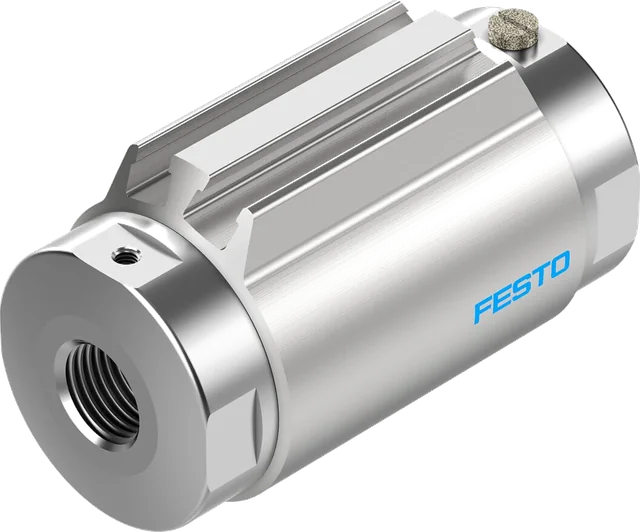
valve internals.
What Coast Pneumatics needs to quote a process valve
The fastest quote starts with the process details. Share the media, pipe size,
connection type, pressure, temperature, body and seal material needs, actuation
preference, fail position, and any sensing or wiring requirements.
If you are replacing a manual valve, include photos, the existing valve tag or model,
connection details, and the control goal. If you are designing a new machine, include
the expected duty cycle and whether the valve will be part of a washdown, skid, dosing,
utility, or safety-related sequence.
Need help matching the valve body, actuator, and accessories?
Coast Pneumatics can help machine builders and maintenance teams specify Festo
process valve units for liquids, gases, cleaning media, dosing lines, lubrication,
and utility circuits.
Festo process valve FAQs
What is a process valve?
A process valve controls a media line, such as water, air, gas, cleaning fluid,
lubricant, or process liquid. In automation, the valve is often paired with an
actuator, pilot valve, sensor, and fittings so a machine controller can command it.
When should I use an angle seat valve instead of a ball valve?
Start with an angle seat valve when frequent cycling, fast shutoff, media
compatibility, temperature, or process duty are the main concerns. Start with a ball
valve when robust quarter-turn on/off isolation and high flow are the main concerns.
Can Coast Pneumatics help with more than the valve body?
Yes. The practical package may include the valve body, actuator, pilot valve,
position feedback, mounting, fittings, and electrical interface. Sharing those
requirements up front helps Coast Pneumatics recommend a complete assembly.
Coast Pneumatics Festo process valve landing page,
festoprocessvalves.vercel.app;