
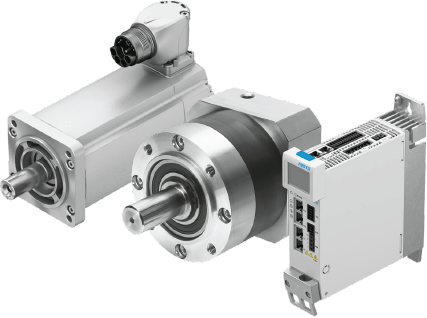
Motors and Servo Drives for every application
Due to their dynamics, flexibility, precision, and high performance, motors and servo drives are commonly used in packaging, assembly, plastics, and medical technology for precise movements with microsecond reaction times. They are also essential in mental production and processing for accurate drilling, bending, and cutting.
Advanced Motors and Servo Drives
Motors are utilized across a diverse array of industries for various applications. But what role do servo drives play? Servo drives are essential for managing the operational modes of the motor. Together with the motor, they act as the interface between the mechanical system and the control system, making them a crucial component of any motion control setup. Their primary function is to communicate the desired actions to the motor—specifying what to do, how often, and at what speed to achieve the intended production outcomes. In industrial settings, safety, precision, and reliability of the drive system are of utmost importance. We offer a comprehensive selection of motors and servo drives to meet a wide range of requirements. Utilize our Electric Motion Sizing tool to configure your servo drive solution, independent of your control environment and its manufacturers. Following configuration, you can easily commission your drive system using the Festo Automation Suite.
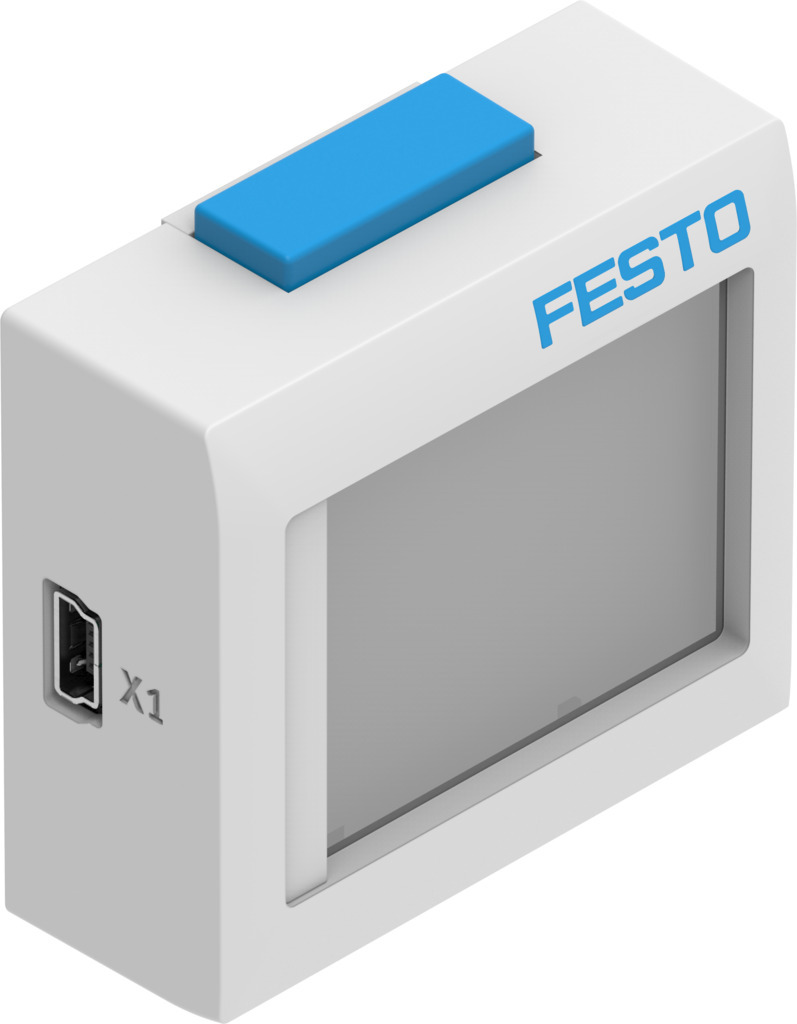
- Provide enhanced control and communication options for servo drive systems.
- Include brake resistors, programming interfaces, and operator panels.
- Simplify installation, maintenance, and system diagnostics.
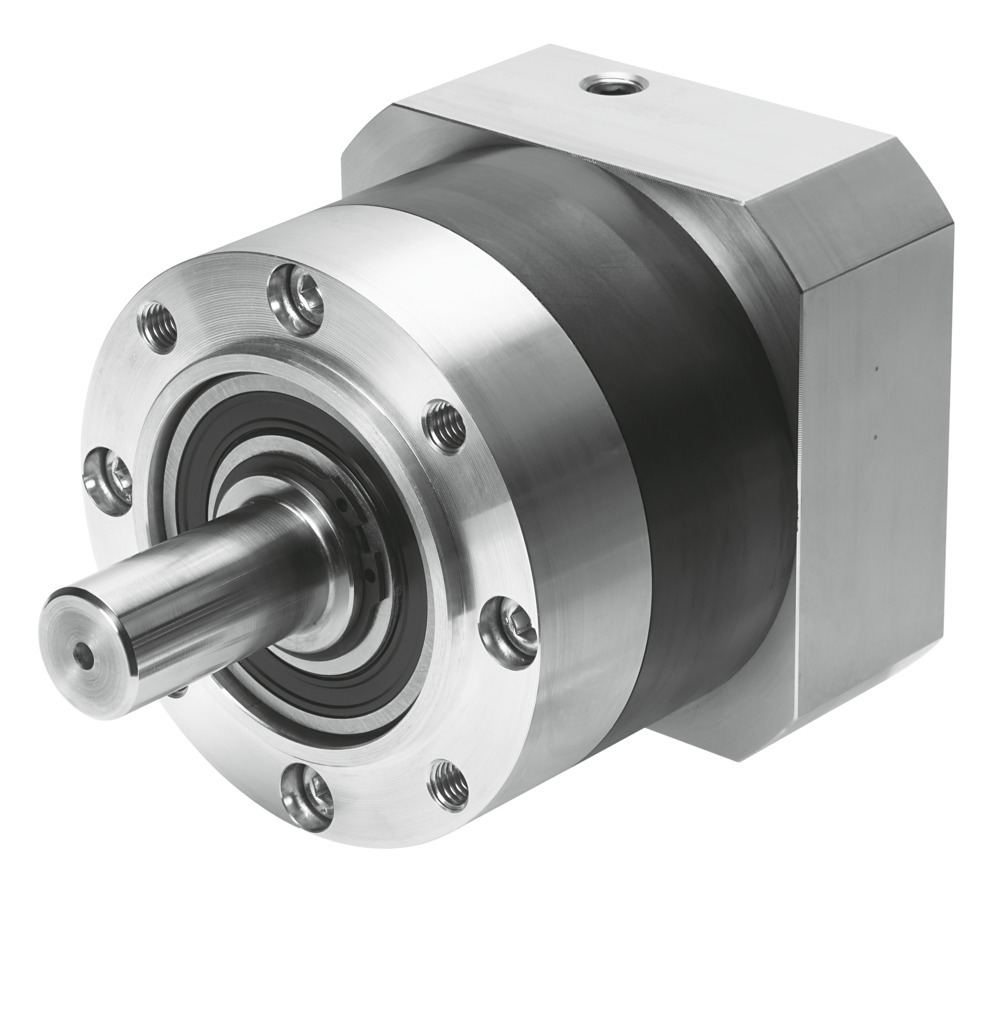
- Convert motor speed and torque for various industrial applications.
- Ensure precise motion control in automation and robotics.
- Available in different gear ratios and mounting configurations.
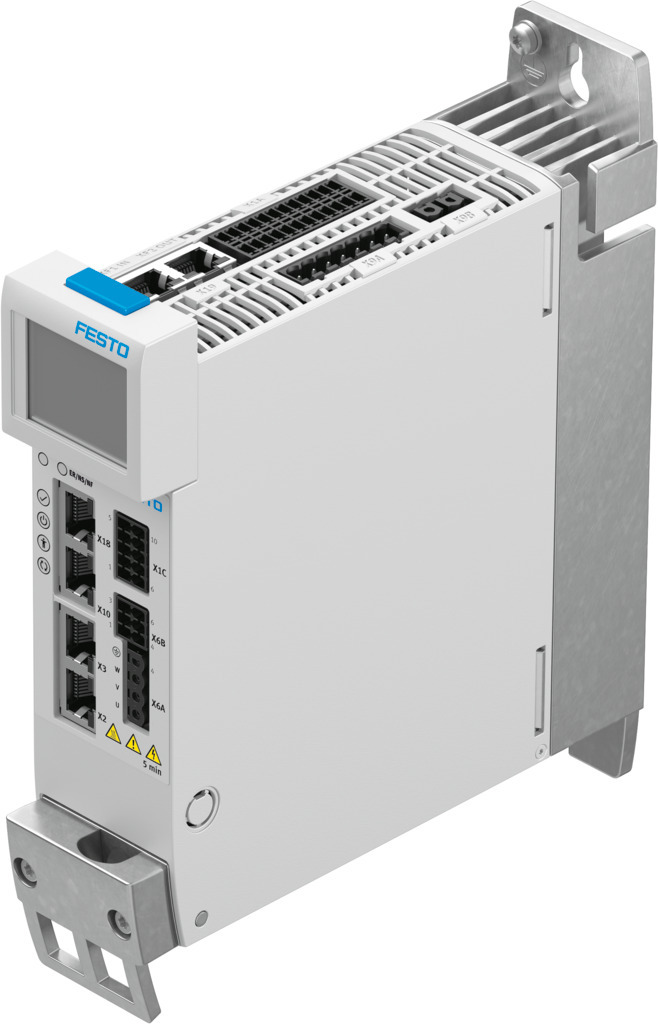
- Control the speed, position, and torque of servo motors.
- Enable real-time feedback for high-precision automation tasks.
- Support integration with PLCs and motion control systems.
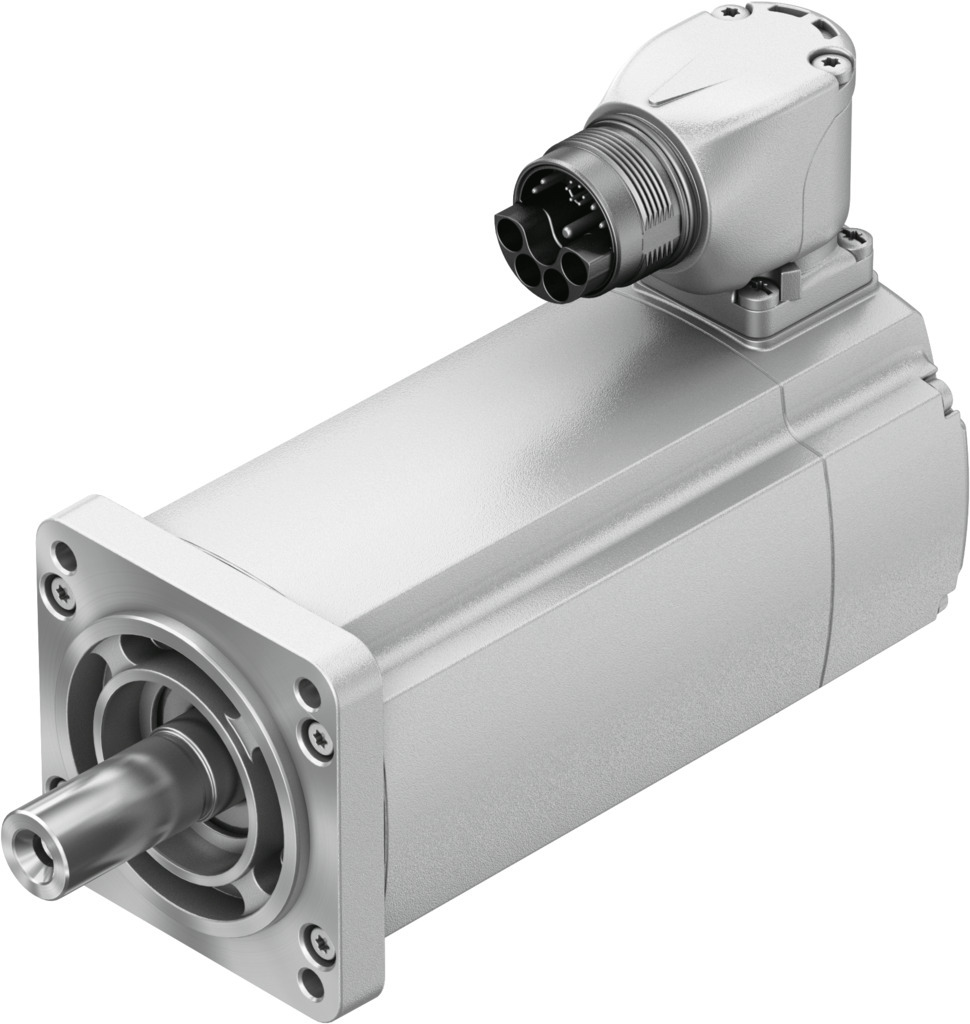
- Deliver high torque and precise positioning in compact packages.
- Ideal for CNC machines, robotics, and packaging automation.
- Operate efficiently with closed-loop control for accuracy and repeatability.
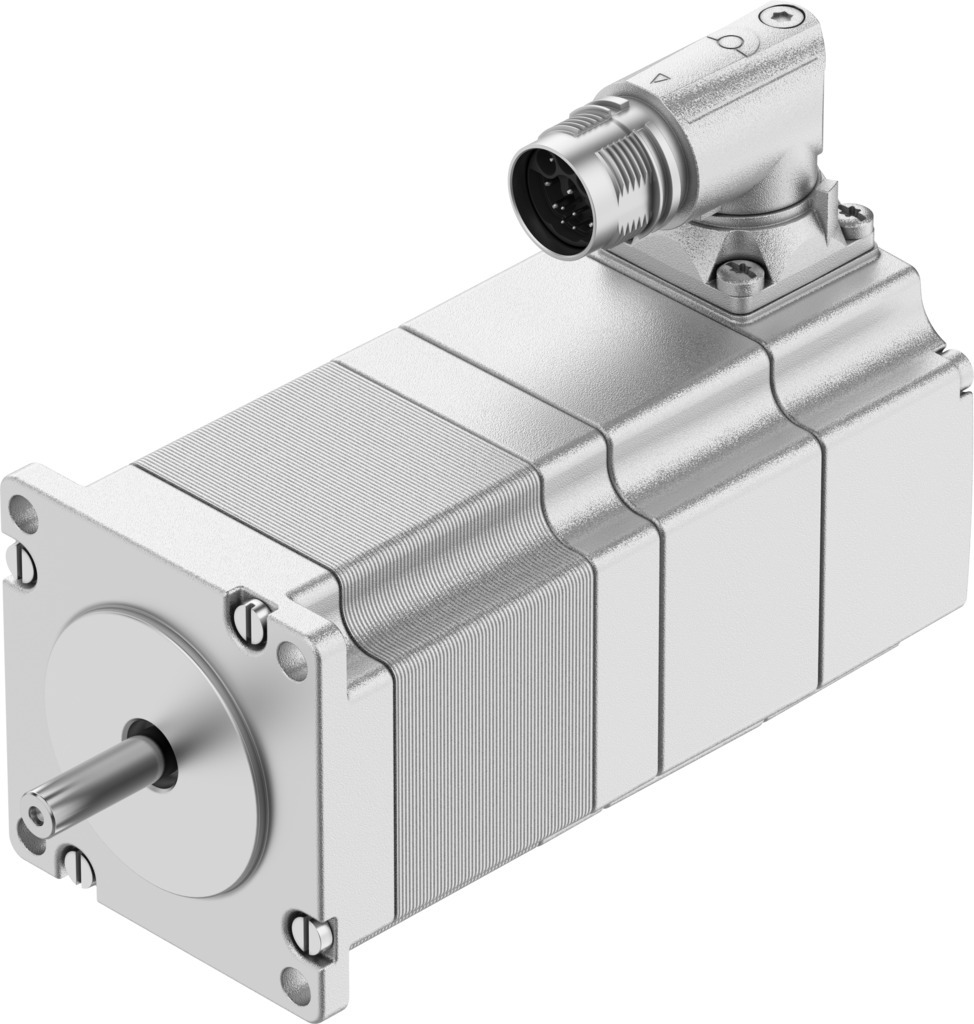
- Provide cost-effective motion control with open-loop systems.
- Move in discrete steps, perfect for positioning tasks without feedback sensors.
- Commonly used in 3D printers, pick-and-place machines, and conveyor systems.
Advantages of Servo Motors and Motor Controllers
The integration of servo motors with appropriate motor controllers brings numerous benefits to production environments, particularly in automation processes where these systems can fully leverage their capabilities. Here are some detailed advantages of using servo motors in conjunction with suitable motor controllers:
Enhanced Safety: Servo motors and motor controllers are designed with safety in mind. In emergency situations, they can facilitate the simultaneous shutdown of electric motors through a centralized control point, minimizing the risk of accidents and ensuring a safer working environment for operators and machinery.
Flexible Modular Technology: The flexible modular technology of servo controllers allows for the seamless addition of multiple servo motors, enabling them to operate asynchronously. This modularity provides manufacturers with the ability to customize their systems to meet specific requirements, whether integrating existing components or developing entirely new systems tailored to unique processes. This adaptability fosters innovation and efficiency in system design.
Maximum Precision: One of the standout features of servo motors is their ability to deliver unparalleled precision in speed and torque control. These motors can maintain and adjust performance based on predetermined targets with remarkable accuracy. For instance, speeds can be fine-tuned to target values within a fraction of a second, enabling precise movements necessary for tasks like assembly, machining, and other critical applications.
Intelligent Controllers: Modern servo motor controllers are equipped with intelligent functionalities that facilitate automation and connectivity through bus systems directly linked to the drive. This connectivity allows for real-time data processing within the drive system, which can be utilized for process optimization. The ability to handle data directly enhances operational efficiency and enables predictive maintenance, thus reducing downtime and improving productivity.
Increased Efficiency: Servo motors are engineered for optimized performance, providing high output while minimizing energy consumption. This efficiency translates into reduced operational costs over time. Moreover, the design of servo motors contributes to their low maintenance requirements and prolonged service life. By harnessing these motors, manufacturers can achieve greater reliability and lower overall lifecycle costs.
The advantages of utilizing servo motors in conjunction with dedicated motor controllers are significant, leading to improved safety, flexibility, precision, intelligence, and efficiency in production processes. These benefits make servo systems a vital part of modern industrial automation.
Festo servo motors are routinely used in industries and sectors that demand high precision, flexibility, and reliability.
Some notable examples include:
- Plastics manufacturing
- Textile manufacturing
- Packaging systems
- Robotics
- E-Mobility
- Medical technology
- Metal fabrication
- Printing technology
- Conveyor technology